I enjoy photographing quite ordinary scenes. There’s always something that makes them special. It could be colour, light, or interesting shapes.
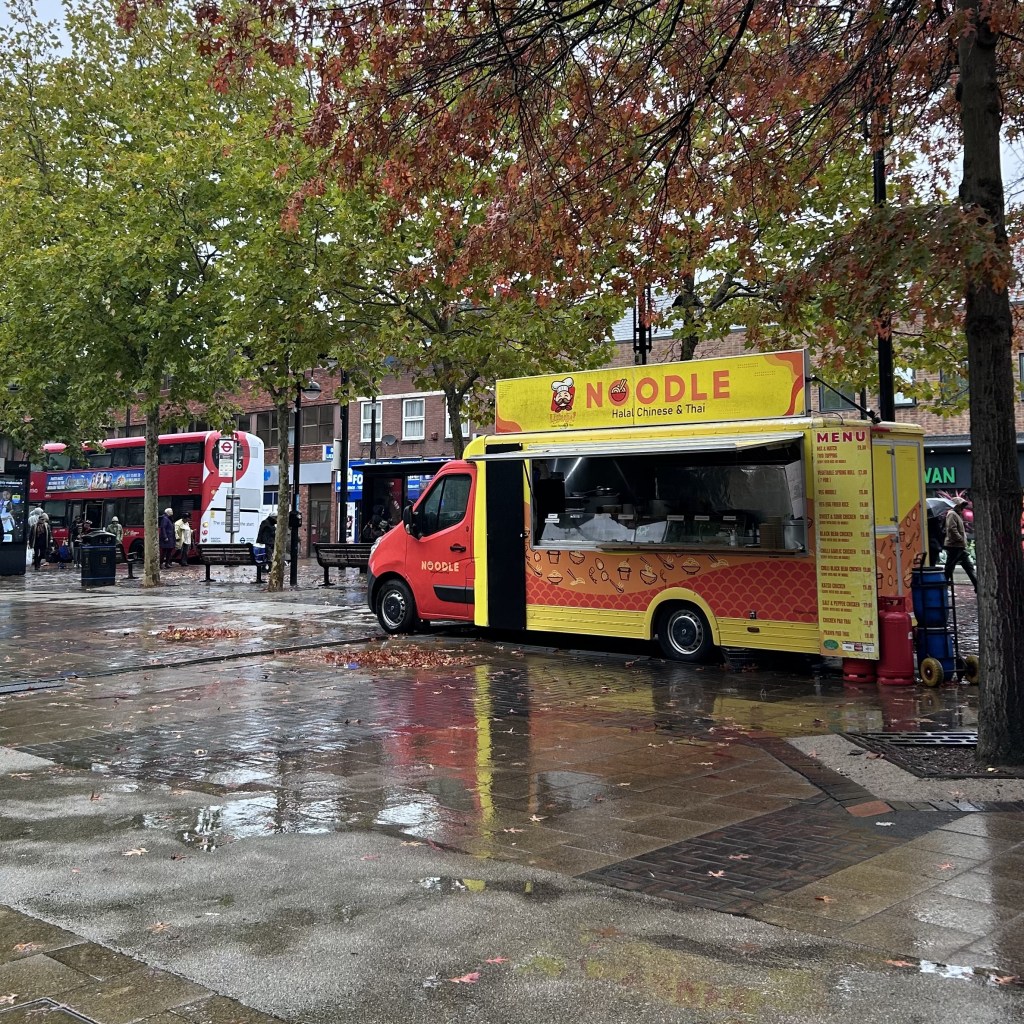
I took the first picture because of the red and yellow on the noodle van. I liked how the colours reflected in the puddles on the pavement and the way the autumn leaves echoed the red.
Location: Bexleyheath shopping centre in Greater London
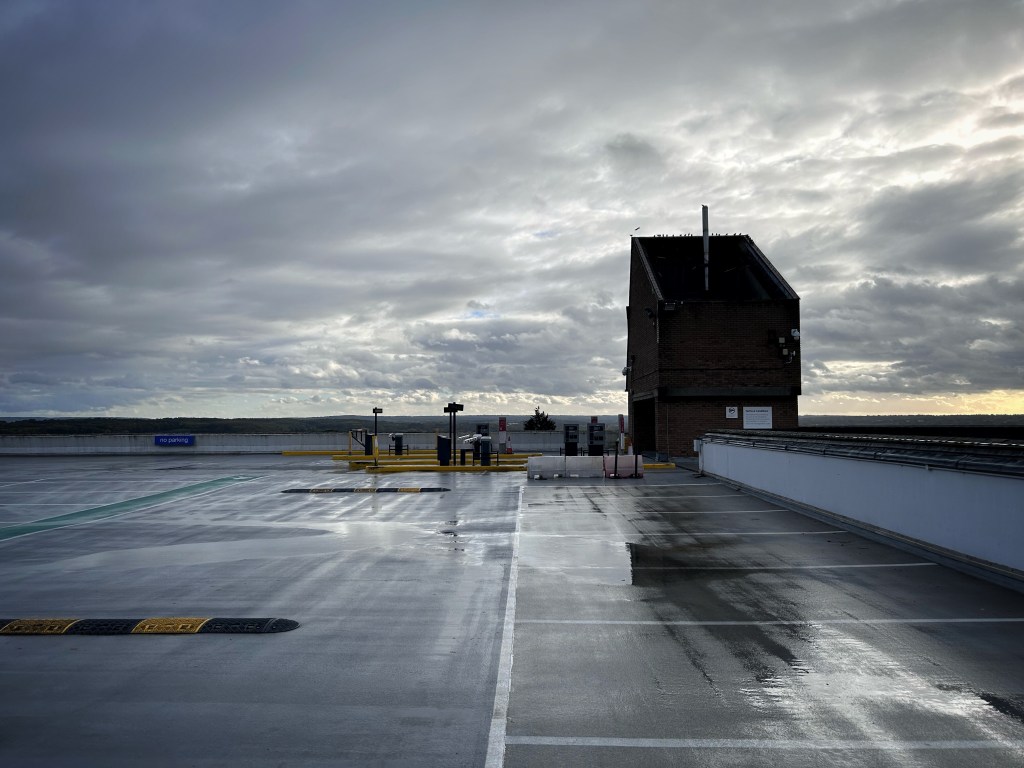
I took the second picture because I liked the pairing of the sky and car park. They both looked flat and vast and filled with light-flecked grey.
Location: Car park at Bexleyheath shopping centre
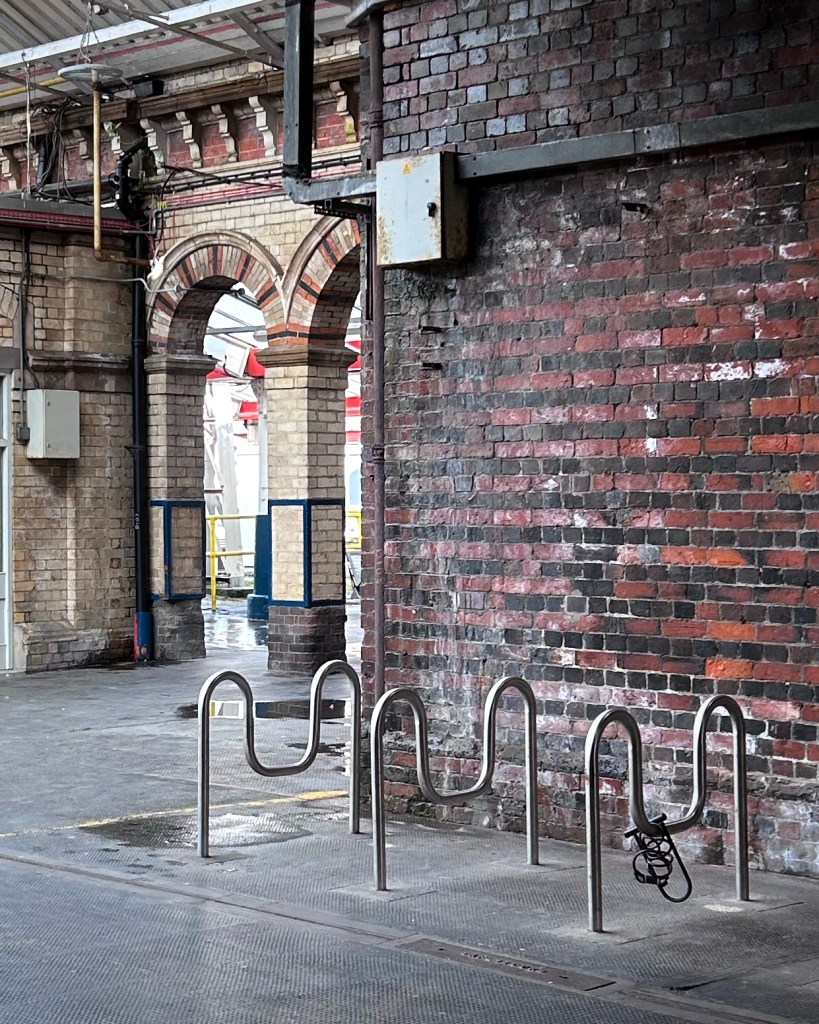
I have always liked old brickwork. The wall and arches in this picture are likely to be from the 19th century. I took this photo through a train window because I liked the curves of the bicycle racks against the curves of the arches.
I went to Stori Brymbo, Wrexham, to see a 300-million-year-old fossil forest. The fossils are just one part of this heritage attraction, which is on the site of an old steelworks.
When looking around, I joked, “There’s something for everyone at Stori Brymbo.” It’s not entirely true. But if you’re interested in nature walks, industrial history, post-industrial communities, coal, fossils, or photography, you’ll be glad you visited.
The site isn’t fully wheelchair accessible. However, I saw online that Stori Brymbo can offer support for people who are able to ride in a 4×4 vehicle. You’ll need to contact them ahead of time to talk about arrangements.
I enjoyed photographing the ruins and looking at the wide variety of ferns. I also came away with a better appreciation of the relationship between industrial employers and small communities.
The site was an ironworks and then steelworks, in operation from 1796 to 1990. This means it was a multi-generational local employer. I can only imagine the emotional attachment I’d feel to a place that employed my parents, grandparents, and great-grandparents.
Here are a few of the photos I took.
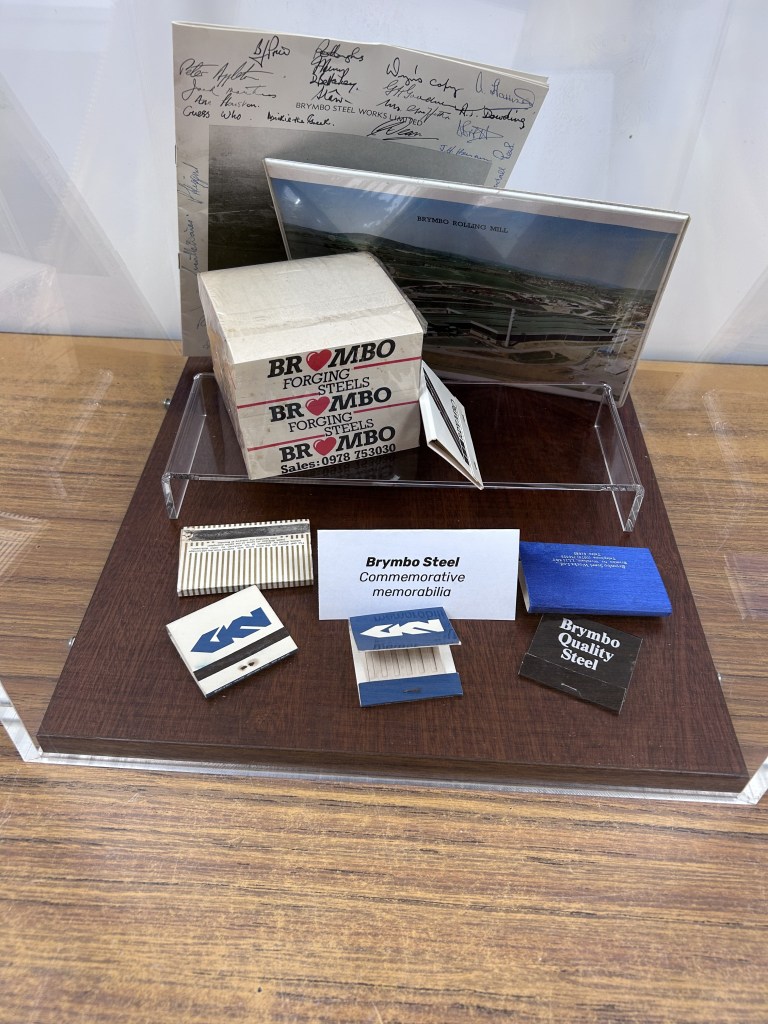
A display of Brymbo steelworks souvenirs; it was common for companies to produce items like these for their employees and customers in the second half of the 20th century.
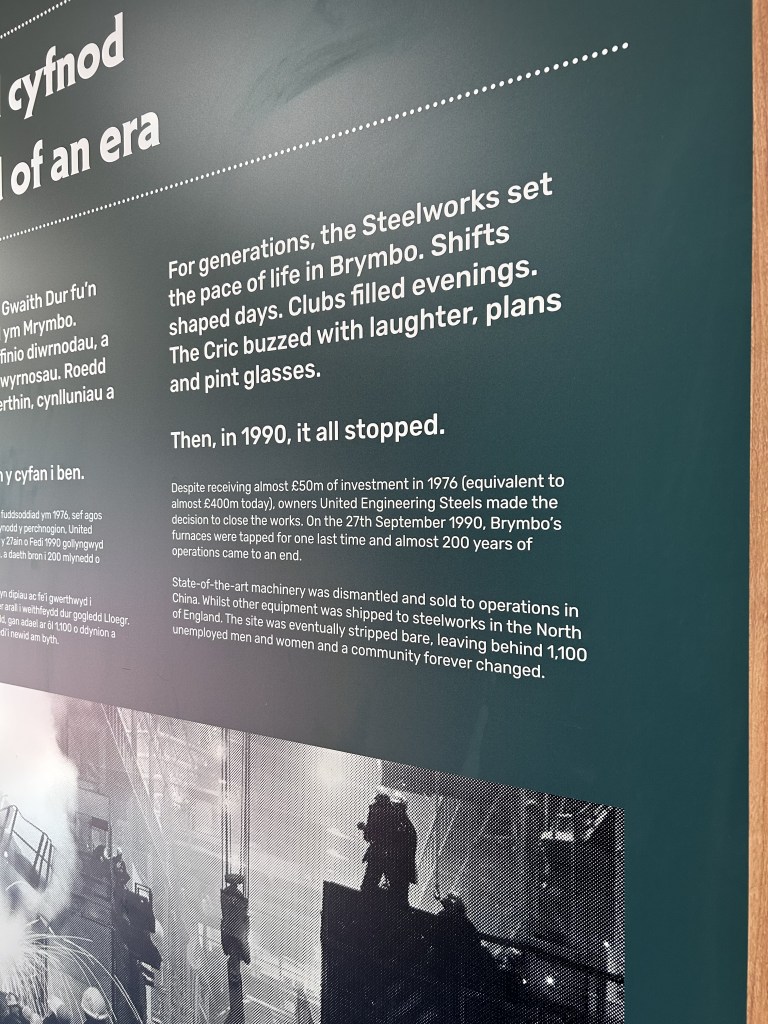
Brymbo is in Wales, so the museum display boards are in Welsh and English. This is from a part of the exhibition that focuses on 20th-century workers at Brymbo Steelworks.
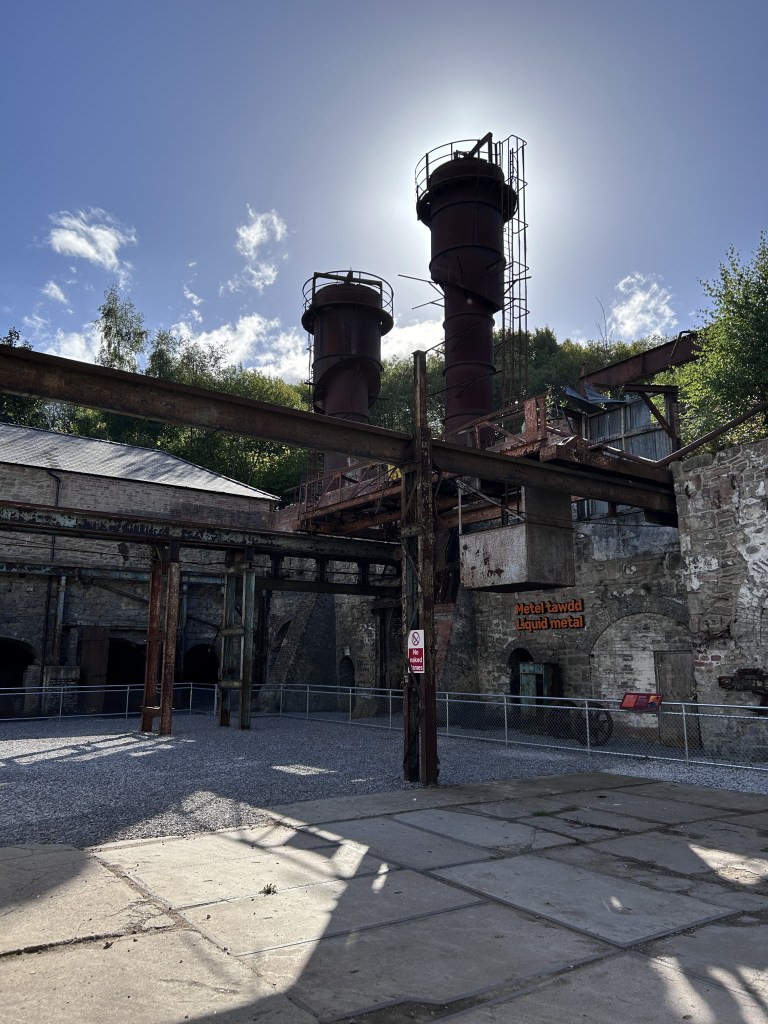
The two tall furnaces in the background were added in the 1970s. There used to be a roof above where I was standing.
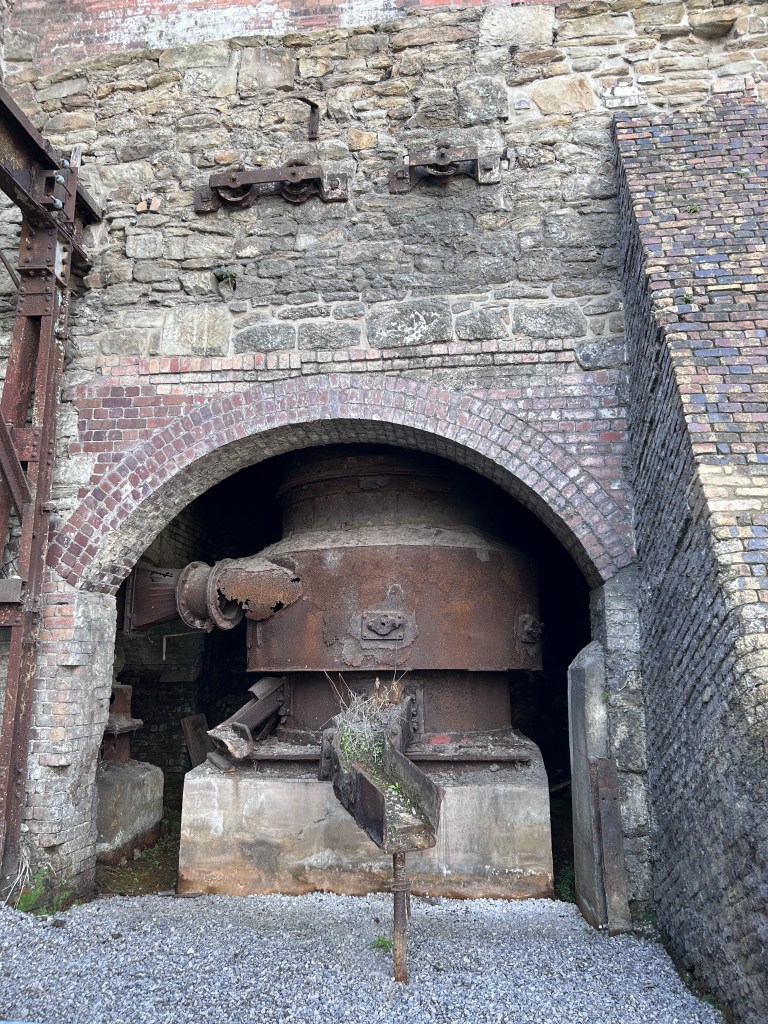
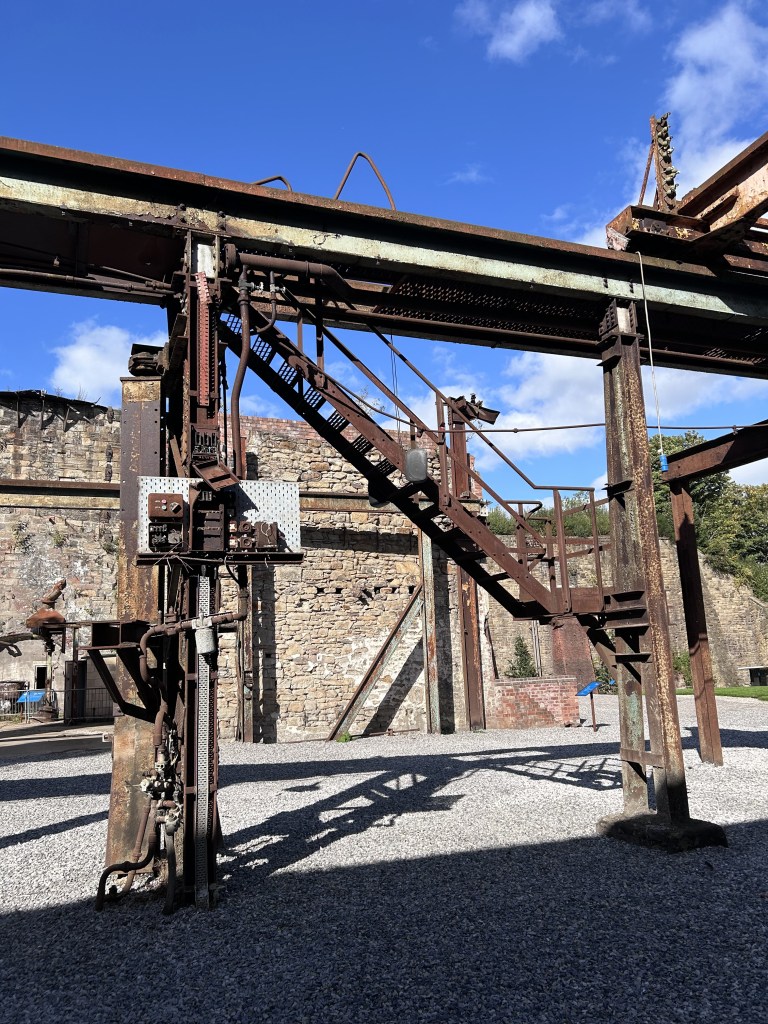
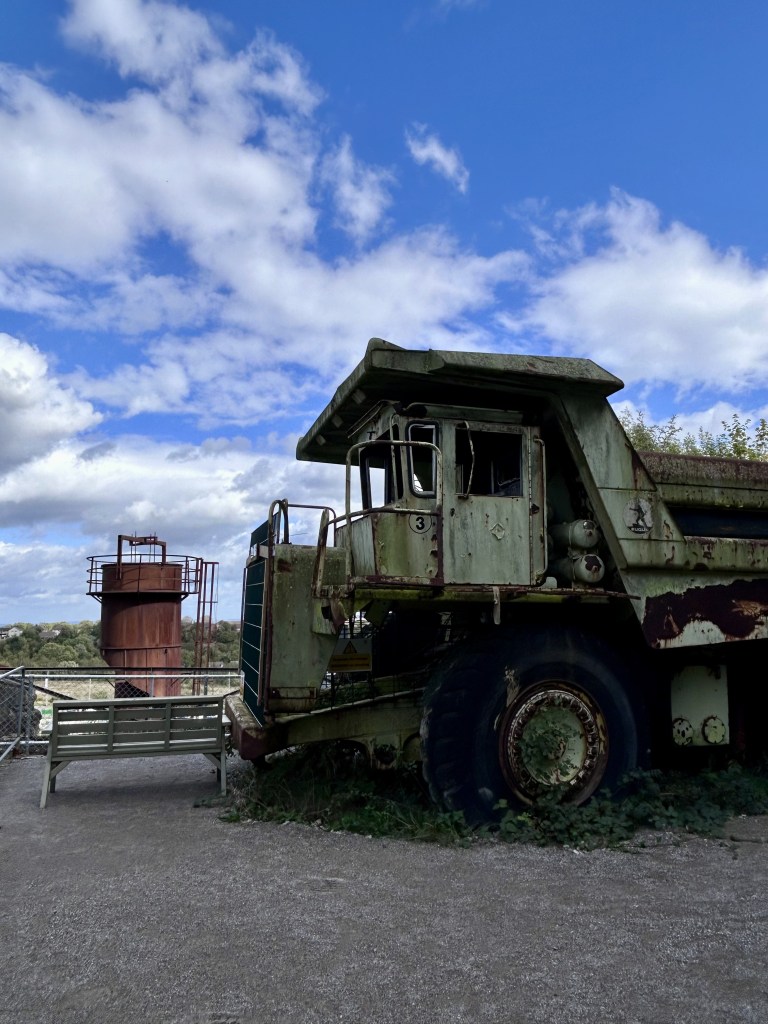
There are lots of industrial remains to photograph at Stori Brymbo.
Remains of the old steelworks at Stori Brymbo
This vehicle was used in the reclamation of the site.
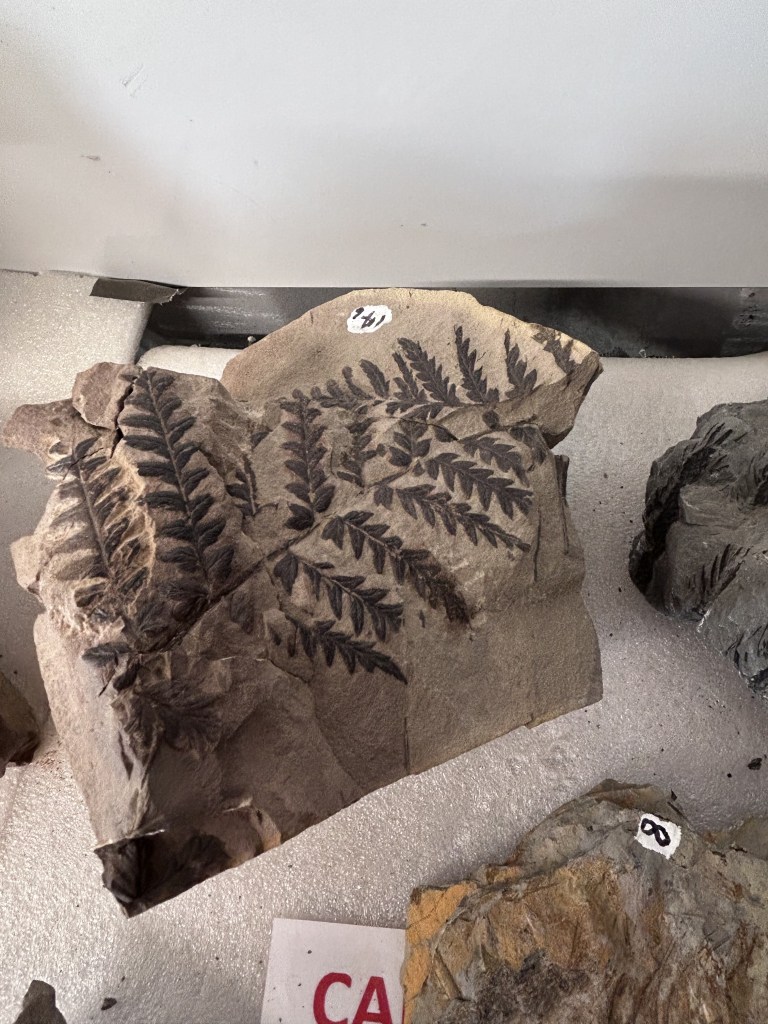
Some of the fossils found at Brymbo Fossil Forest
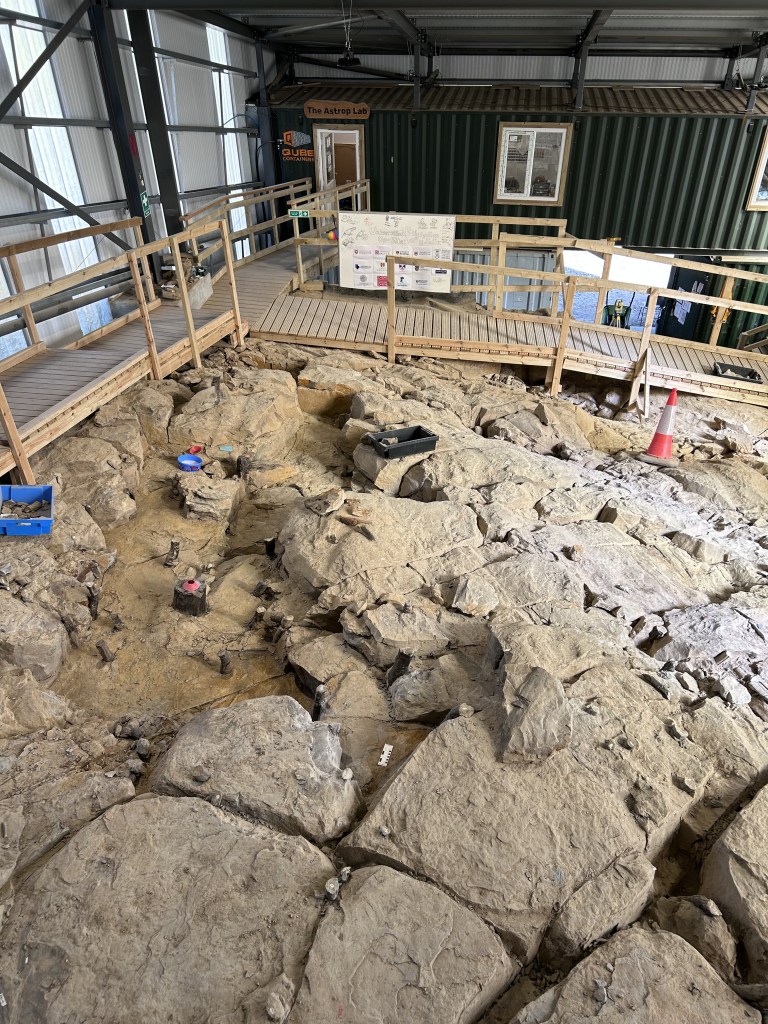
This is the fossil forest itself. I didn’t go on the guided tour offered by Stori Brymbo, but rather wished I had. Sites like these need experts to bring them alive. However, I did enjoy my visit and I found some interesting videos about Brymbo Fossil Forest on YouTube afterwards. The video below introduces a medieval mineshaft packed with fossils.
At the end of my visit, I bought a small piece of the fossil forest from Stori Brymbo’s shop. It’s 314 million years old, which is an inconceivable length of time. I’m boggled just thinking about it!
In my previous blog post about photography, I wrote about heavily editing pictures with Snapseed. I wasn’t satisfied with the results and felt that I’d been too heavy handed.
Last weekend, I went out again with an iPhone camera. I cropped the photos but made very few edits this time. Overall, I’m much happier with the results. However, I’ve noticed that the pictures look far better on a phone screen than they do on a much larger computer screen. I guess that may be one of the limitations of camera phone photography.
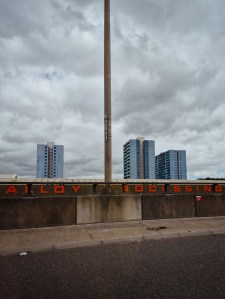
I took this photo in Birmingham on a sunny day in September 2026. I’d remembered the scene slightly differently, so I was annoyed with myself when I saw it again.
I took the above photo in June 2026, towards the end of a heatwave. It wasn’t raining yet, but the sky was thick with clouds. I don’t think I appreciated how dark this picture is. I’m not sure if it’s because of overediting or simply the weather. I love the colours in this scene. The newer photo does a much better job of capturing them.
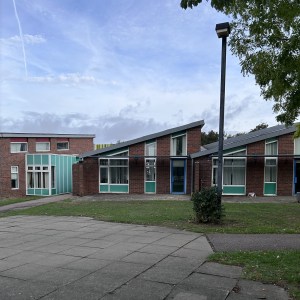
This time around, I tried to pay more attention to colour. This picture above shows a school in Essex. I love this building because of the repeated shapes and the colour on the panels. (September 2026)
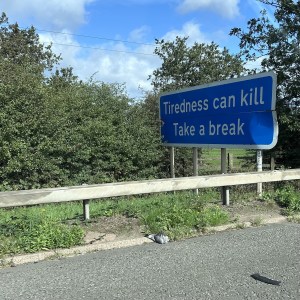
“Tiredness can kill. Take a break.”
I love the blue used on motorway signs. I only noticed the dead bird on the ground after I looked at the photo on my phone. (September 2026)
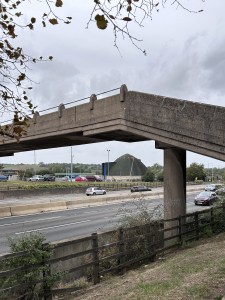
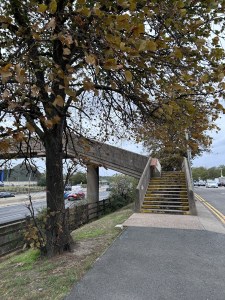
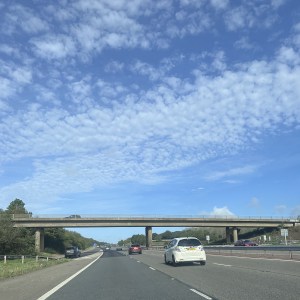
These two photographs show the footbridge at Toddington Services on the M1 motorway. It’s quite unusual to see one without a covered walkway added. This bridge is historic because it dates from the construction of the M1 in the 1950s. I saw it with someone who remembered the M1 when it was new, so that made it quite special. (September 2026)
Motorway bridges can be quite beautiful. If you like lines and harmonious balance, they’re well worth looking at. I often think of the bridges in Japanese prints when I see them. (September 2026)
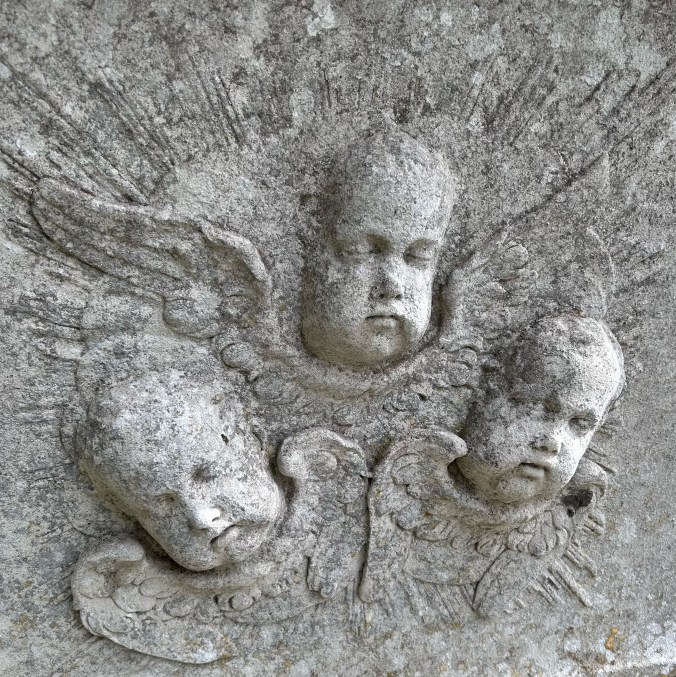
I saw this carving on a tomb in the churchyard of St Peter and St Paul at Stondon Massey in Essex. I’ve edited this photo a little to bring out the lines. There is some orange lichen on this tombstone. I wish I’d taken a few more pictures to capture the lichen and the other carved details. (September 2026)
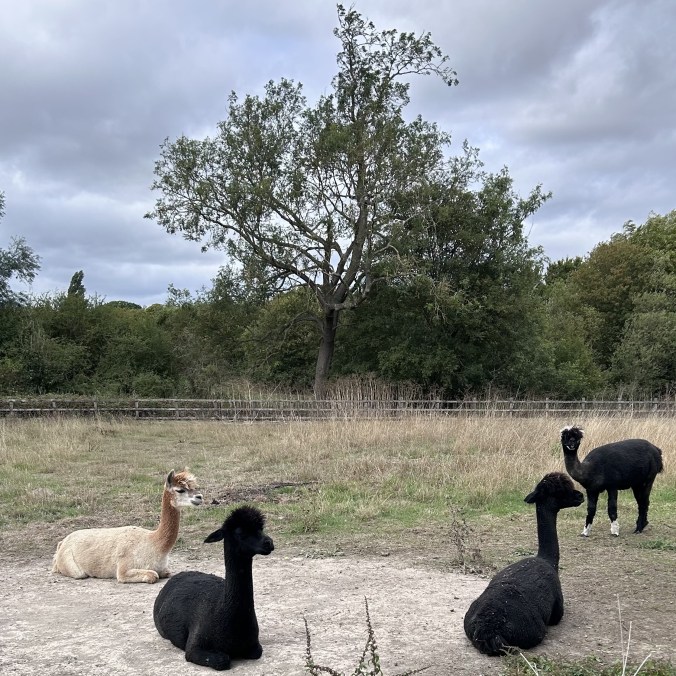
I love the shape of alpacas when they’re sitting down. These animals live at Mulberry House Hotel in Essex. (September 2026)
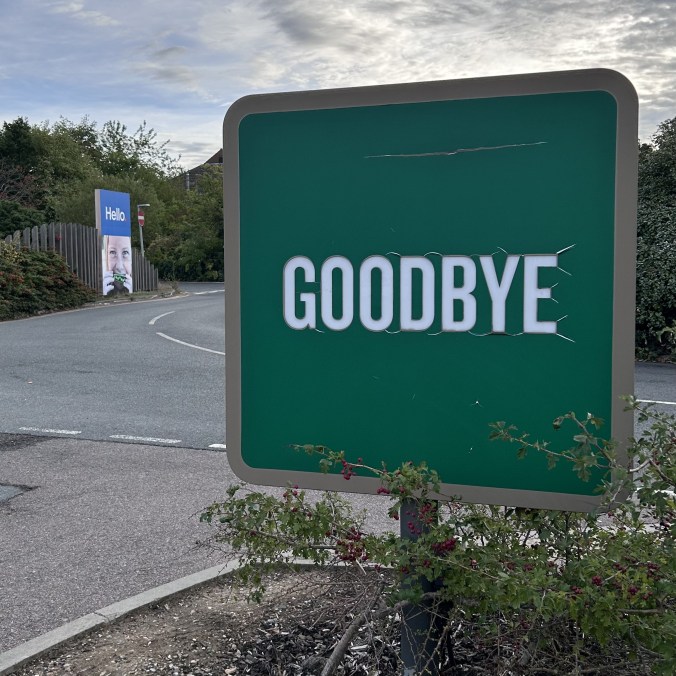
“Hello” and “Goodbye”
I’m fascinated by signage because taken out of context it can look quite odd. I took the above photo at Tesco’s in Harlow in Essex. (September 2026)
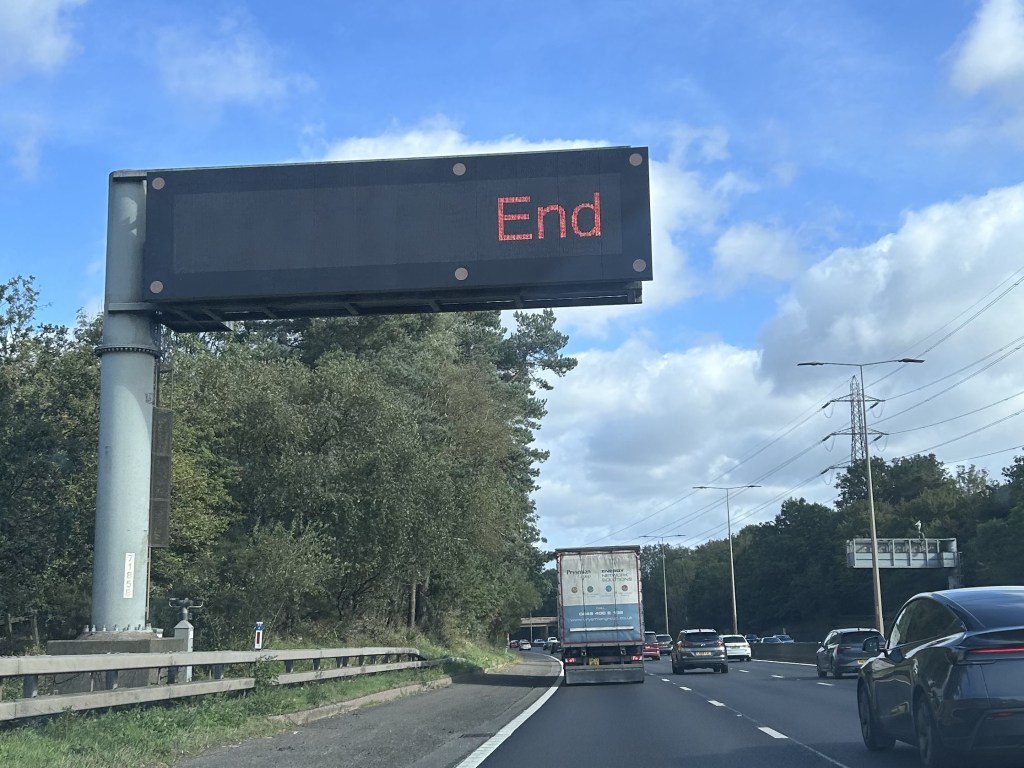
The word “End” has so many different connotations. In this case, it is the end of this blog post. (September 2026)